10 Days, 9 Nights · Private Tour
Embark on a beautifully crafted 10-day journey through eastern China with our Shanghai Suzhou Hangzhou tour, seamlessly combined with a Mt.Huangshan tour that showcases both cultural heritage and natural splendor. From the bustling streets and skyline of Shanghai to the classical elegance of Suzhou’s gardens and the poetic charm of Hangzhou’s West Lake, each day offers a new layer of discovery. Enjoy tranquil tea plantations, ancient temples, and vibrant local streets before heading into the breathtaking landscapes of Mt.Huangshan, where misty peaks, stone paths, and centuries-old pine trees await. With expert guide service throughout, this tour offers not just sightseeing, but a deeper connection to the traditions, stories, and beauty that define eastern China.
Hotel pickup by your private guide. Embark on a full-day exploration of Shanghai, Suzhou, Hangzhou, Huangshan. Your knowledgeable guide provides expert commentary throughout.
Visit the key attractions including Shanghai, Suzhou, Hangzhou, Huangshan. Enjoy the flexibility of a private tour — spend more time at the places that interest you most.
Return to your hotel. A memorable day (or multi-day journey) through some of China's most extraordinary landscapes and cultural sites.
Upon your arrival at Shanghai, your personal guide will greet you at the exit of airport or train station, holding the board with "China Wonder Tours" on it and escort you to your hotel.
The rest day is free on your own to explore the city or recover the jetlag.
After breakfast, starts your Shanghai tour with Yuyuan Garden. It was a private garden of the Pan family in the Ming Dynasty. It was the largest and most prestigious of its era in Shanghai after it was completed. The garden is unique in its design. It perfectly blends decorative halls, elaborate pavilions, glittering pools, zigzag bridges, pagodas, archways, and impressive rockeries.
Next, you will visit Jade Buddha Temple, it is an active buddhist temple in the city of Shanghai. The temple houses two jade Buddha statues – one, a 1.95 m tall, sitting Buddha and the other a smaller reclining Buddha depicting Buddha’s death. If you interested in the architecture and the custom of temple, do not miss Jade Buddha Temple in Shanghai.
After lunch, drive you to visit Old French Concession, a residential area of Shanghai once designated for the French, the French Concession is popular with tourists and expats, and appreciated for its cafes, tree-lined avenues, and tudor houses.If you want to get away from busy street in Shanghai, here is an ideal place to explore.
Then, you will visit the famous Bund Area, it is a nice place to appreciate the skyline of the city. You see some of the famous landmarks of shanghai such as the pearl tower, jinmao tower and the shanghai tower.For a century, the Bund has been one of the most recognizable symbols and the pride of Shanghai. The architecture along the Bund is a living museum of the colonial history of the 1800s.
At night, it's a good time to have a cruise to experience and enjoy the scenery along Huangpu River. A Huangpu River cruise has now become a must-have activity when visiting Shanghai. If you have time to join a Huangpu River night cruise, you can enjoy the most extraordinary night view.
After breakfast, pay a visit to the Shanghai Museum, one of China’s most esteemed and acclaimed museums. The Shanghai Museum houses a comprehensive collection that perfectly showcases the Middle Kingdom’s millennia old history. Spread over five floors, Covers most of the major categories of Chinese art with a collection of 12, 300 pieces in 21 categories of valuable cultural relics, including some donations from private collectors. Amongst the items are bronze, ceramics, jade, ancient calligraphy and seals. The excellent Chinese Minority Nationalities’ Art Gallery displays the arts, crafts and traditional clothing of China’s 55 minority groups.
Continue your tour to Tianzifang in Taikang Road. It has become an amazing cluster of the trendy and cultural spots. It is an arts and crafts enclave that has developed from a renovated residential area in the French Concession area of Shanghai, China. It comprises a neighborhood of labyrinthine alleyways off Taikang Road, and is therefore also referred to as Taikang Road or Taikang Lu. Tianzifang is known for small craft stores, coffee shops, trendy art studios and narrow alleys. It has become a popular tourist destination in Shanghai, and an example of preservation of local Shikumen architecture, with some similarities to Xintiandi.
After lunch, drive you to Lujiazui Area of Pudong New District to visit “the Eye of Shanghai” - Shanghai World Financial Center (SWFC) . Stepping into Shanghai World Financial Center, your journey to the sky starts from the Sky Gate. You’ll enjoy a visual feast which shows you the rapid changes of Shanghai and the history of Huangpu River through high multi-media technology displays and the world’s most realistic miniature city model.
After breakfast, you’ll be transferred to take a high speed train to Suzhou , which will takes about half an hours to get there.
Upon arrival, your personal guide will greet you at the Suzhou Train Station/Suzhou North station holding the board with "China Wonder Tours" on it.
Firstly, drive you to visit Lingering Garden, A UNESCO World Heritage Site and one of the city's finest classical gardens. It has been listed as one of the four most famous national classic gardens together with the humble administrator's garden, the Summer Palace and Mountain Summer Resort in Chengde are called China's four largest gardens. Landscape architectural space processing is very exquisite, using a variety of artistic techniques, built a unique space system, becoming one of the world civilization examples of architectural space art processing.
Continue your tour to visit Panmen Gate. The history of the Panmen Gate dates back to 514 AD. Its China's existing only water and land parallel gate, is one of the signs of the ancient city of Suzhou. It is now part of the Pan Gate Scenic Area. It is known for the "three landmarks of Pan Gate". They are the Ruiguang Pagoda, the earliest pagoda in Suzhou built in 247, the Wu Gate Bridge, the entrance to the gate at that time over the water passage and the highest bridge in Suzhou at the time, and Pan Gate.
After that, pay a visit to Hanshan Temple (Cold Mountain Temple) near the town of Fengqiao. Made famous in a poem by Tang Dynasty poet Zhang Ji, this Buddhist temple is known for its large bells, unique black roof and domed bridge. Take a wander around its halls, pavilions, corridors and well-maintained gardens.
The last stop is Suzhou No. 1 Silk Mill, which has a long and rich history of silk culture, including mulberry tree and silk worm cultivation and turning raw silk into beautiful fabric. Suzhou's climate and soil are perfect for silk production, and the city has been a center of China's silk trade for many centuries. The Suzhou No. 1 Silk Mill has been a proud steward of this heritage for over 80 years. It's more like a museum which shows you how the silk is made from cocoons from the begining and the whole silk process. Not to be missed.
After the tour, drive your to the Suzhou train station to catch your train to Shanghai. Upon arrival, transfer back to your hotel.
After breakfast, drive you to the Shanghai railway station to catch your train to Hangzhou. Upon your arrival at Hangzhou, your personal guide will greet you at the Hangzhou train station, holding the board with "China Wonder Tours" on it. Then, start your Hangzhou tour.
First, take a boat cruise in the westlake, The Westlake Hangzhou (including boat cruise on westlake): West Lake has an area of 5.6 square kilometers (2.2 square miles) and is the symbol of Hangzhou which lies on its banks and is a place of tranquility. On the boat you can see one of theTen Best Views of West Lake--Three Pools Mirroring the Moon.The occasional pagoda and Chinese-style arched bridges add atmosphere to the tree-lined walkways, verdant islands and hills make West Lake a very special part of any China experience.
After that, visit the Fish Viewing at the Flower Pond(Huagang Park). This spot is located at the southern end of Su Causeway. A clean stream flows from Huajia Hill to join West Lake here, and many flowers grow where the fresh water flows in, so it called "Flowery Harbor". This area now has been made into a 22 hectare (54 acre) park with many varieties of trees and flowers, featuring a peony garden which blooms in April and a goldfish pond which is the famous site for viewing fish.
Later, drive to the Guo Garden: Completed in 1861, this elegant garden villa was built as a private retreat for a wealthy Qing Dynasty silk merchant. Guo's Villa (Guo Zhuang, ??) is a fine example of Chinese aesthetics in which the manmade and natural blend in harmonious balance.The Villa opened to the public in 1991, after being restored. It faces Spring Dawn, by the Sudi Causeway which crosses the West Lake, and has a distant view of the serene Southern Screen Hill and the Baochu Pagoda. The villa has two sections (1) Living in Quietness, where the owner lived (2) the Sky in the Mirror garden, with a pond surrounded by roofed corridors (lang), bridges, rockwork, trees and flowers.
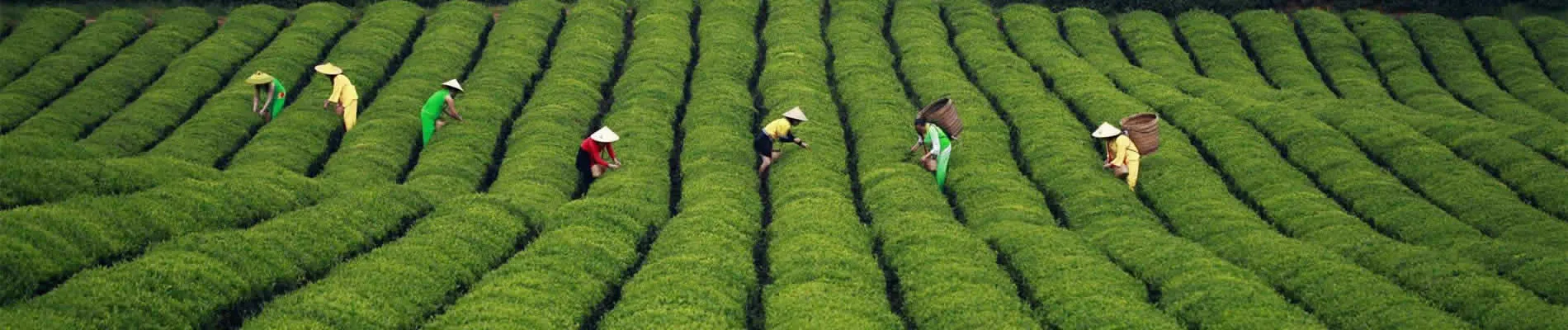
Lunch at local restaurant to try the local delicacies (Our local tour guide will give you the best recommendation) After lunch, visit the China National Tea Museum. China is the birthplace of tea with the longest history of tea culture. Today tea culture is a bright pearl in traditional Oriental culture.China National Tea Museum is the only museum themed with tea and tea culture in China mainland, so you can know about the culture and history of tea in China, admire exhibits about tea,sample tea,learn tea art, and enjoy pleasing scenery of tea plantations.
Continue your visit to the Leifeng Pagoda, Leifeng Pagoda as an important cultural and historic attraction in the West Lake Scenic Area is quite familiar and well-known both in Chinese folk culture and Chinese literature history.Leifeng Pagoda is one of the ten sights of the West Lake because of the Legend of the White Snake.The legend was existed as oral traditions long before any written compilation. It has since become a major subject of several Chinese opera, films and TV series.
After breakfast, the first stop for today is the Lingyin Temple: Lingyin temple, commonly translated as "Temple of the Soul's Retreat" is one of the largest and wealthiest temples in China. It was originally founded in 326 AD, but has been rebuilt no less than sixteen times since then. Lingyin Temple is one of the ten most famous ancient Buddhist temples in China. It also houses various Buddhist literature and treasures situated in front of the Temple, and is famous for its more than 470 stone carvings of Buddhist figures, which dated from the 10th to 14th centuries.
Later, move to Bamboo lined path at Yunqi: The forest is breathtaking. It really makes you realise how insignificant you are when you stand next to the bamboo trees towering way above you. You are surprised at how hard the bamboo actually was - no wonder Asian builders use it as scaffolding! The thing really liked about the bamboo forest is the light - even though the forest was dense, it still seemed really light and crisp, because of the fact the bamboo's all green (not like normal trees where the trunk is dark brown). It gives the forest a totally different vibe, hard to explain but it was just fascinating.
Have your Lunch at the restaurant popular with the local people to stay away from the tourists' meals.(In china, do not go to the tourists's restaurants when you are on a tour. You shold go to the right place to have the meals, then you are in real china )
After lunch, move to the Meijiawu Tea Plantation: Drogon Well Tea, also known as Longjing tea, is a variety of roasted green tea from Hangzhou where it is produced mostly by hand and has been renowned for its high quality, earning the China Famous Tea title. Meijiawu Tea village is seated at the hinterland of West Lake Park and it boasts the most important Dragon tea production basis. Here you are in an original natural environment, just relax your feelings and enjoy the special tea culture, taste the fragrant tea while appreciating the beautiful village scenery. And our guide or Tea Farmer will show you how to pick the leaves, how to fry the leaves and how to drink the best tea in China.
Next, visit the Six Harmonies Pagoda, a representative ancient pavilion-style tower in China, located on Yuelun Mountain to the south of the West Lake and facing Qiantang River. It is one of the three renowned pagodas in Hangzhou, together with another two around the West Lake, Baochu Pagoda and Leifeng Pagoda. Because of the height advantage and special location, Liuhe Pagoda is one of the best places to view the splendid Qiantang River Tide.
The last stop is The Song Dynasty Imperial Street: Has been renamed Zhongshanlu Beiduan, but still leads to the Palace of the Northern Song dynasty (960-1127AD). The road that stretches 400 meters (1,310ft) is lined with snack bars that offer local delicacies and shops that sell antiques, embroidered items and silks among others.
Check out from your hotel in the morning. Then, drive you to the Hangzhou train station to catch your train to Huangshan (D5577, departure at 09:00am, arrive in Huangshan North Station at 10:52am). Upon arrival, our Huangshan local guide and driver will pick you up at the train station, you will find a welcome sign "Huangshan Private Tour". Then, drive to your hotel in Huangshan downtown, you guide will help you check in.
After a short rest, have a simple lunch at the local restaurant. Then, pay a visit to the Tunxi Old Street, it is an ancient commercial street in center of Huangshan Town. The best way to know about Huangshan is to start with Tunxi Old Street. It is a well-preserved ancient and bustling pedestrian commercial street, and also the most well-preserved ancient street in China with the architectural style of the southern song and Ming dynasties. The total length is 1272 meters. The old street consists of more than 300 hui-style buildings built in different periods.
There are many museums in the old street, such as Tunxi Museum, Wanci House, a variety of specialty snacks, such as Smelly mandarin fish, Huangshan pancake. The distinctive huizhou architecture, under our professional guide, you will have endless harvest. All in all, you have plenty of time to explore here.
Today, your guide will take you to the most famous scenic spot in Huangshan-Huangshan scenic area. The general itinerary today as below: Drive to Huangshan Scenic Spot ? Take the cable car to the top of the mountain from Yungu Cable Station ? Beginning-to-believe Peak ? Brush Pen Peak ? Xihai Grand Canyon ? Cloud-dispelling Pavilion?Stay overnight at the summit.
After breakfast, you will be driven to Mt.Huangshan (1 hour). Upon your arrival, you will take the cable car to the top of the mountain at Yungu cable station. When you get to the top of the mountain, you will see the first peak - Beginning-to-believe Peak. Beginning-to-believe Peak is 1683 meters above sea level. It's said that Huang Xiyuan, a writer in Ming Dynasty, traveled to this peak from Yungu temple. He deeply realized the wonder of this peak and named it "Beginning-to-believe". This is the source of its name. Beginning-to-believe Peak is one of the best peaks for viewing pine trees on Huangshan Mountain.
After a short stay, walk about 1 kilometer to Brush Pen Peak,Brush Pen Peak is 1650 meters above sea level. Because one of the peaks is protruding and the top is bifurcated, it looks like a penholder, so it is called "Brush Pen Peak". This is its most poetic expression.
After lunch, pay a visit to the Xihai Grand Canyon, because of the high altitude, when you stand on the canyon, the clouds flow like a stream from the peak under your feet, so it is also called "White Cloud Canyon". The total length of Xihai Grand Canyon is 15km. Here you can take the photo according to your own preference and within the time allowed, and feel the most magnificent scenery of Mt.Huangshan. If the weather is good enough, you will have a chance to enjoy the sunset at the Cloud-dispelling Pavilion.
The general itinerary today as below: View the Sunrise (recommended option) ? Bright Summit ? Flying-over Rock ? Down to the mountain ? Hongcun Village ? Back to Tunxi .
The sunrise of Huangshan has always been the dream of tourists. Try to get up early in the morning to catch the magical sunrise. (But it may be affected by the weather, here is only a reference option, our guide will inform the relevant situation one day in advance).
After breakfast, you will visit Bright Summit, the second highest on the mountain and see a wonder of Huangshan - Flying-over Rock.
After the visit, take a cable car down to the mountain. Then, drive to Hongcun Village. Before the sightseeing, the tour guide will lead you to the local restaurant for a simple lunch. He/She will teach you how to order.
Hongcun was founded in the Song Dynasty (960-1276). It is one of the first 12 famous historical and cultural villages in China. Hongcun was listed in the world cultural heritage list by UNESCO on November 30, 2000. Hongcun is known as "the village in the painting", a large number of art lovers come here to draw every year. Hongcun Village' s layout was designed very well, acting up to both China's Geomantic Omen and actual natural environment. The whole village is well preserved with more than 140 Huizhou style buildings in Ming and Qing Dynasties. The architecture, culture, history and food here attract a large number of tourists. Famous Oscar-winner film "Crouching Tiger, Hidden Dragon" were filmed in Hongcun.
Free on your own until your tour guide and driver escort you to Huangshan train station or airport. Our service ends.
* The itinerary is flexible and can be customized based on your interests, pace, and arrival/departure times.

Scan to add us on WeChat